Karen's Story. Part II

My First Production Assistant Gig (And What It Really Felt Like)

After I finished the Production Assistant course, I knew one thing: eventually I had to jump.

That part was scary. Really scary.

Following the strategy I learned in the course, I built a list of production companies and started sending emails with my resume and cover letter. I carefully wrote everything, attached the documents, and prepared myself to reach out to people in the industry. But when it came time to hit “send,” I felt terrified.

So I did something funny: I sent the emails and then immediately closed my computer and walked away. I didn’t want to watch for responses. I didn’t want to see the rejection. As an actor and model, I was already familiar with rejection. It’s part of that world. But that doesn’t mean it ever feels easy.

The first day passed. Nothing happened. The second day passed. Still nothing. That was frustrating. But I remembered something important: people are busy, and sometimes it takes time before someone even reads your email. So I kept going. Two weeks later, something amazing happened. Someone replied and I got my first Production Assistant gig!

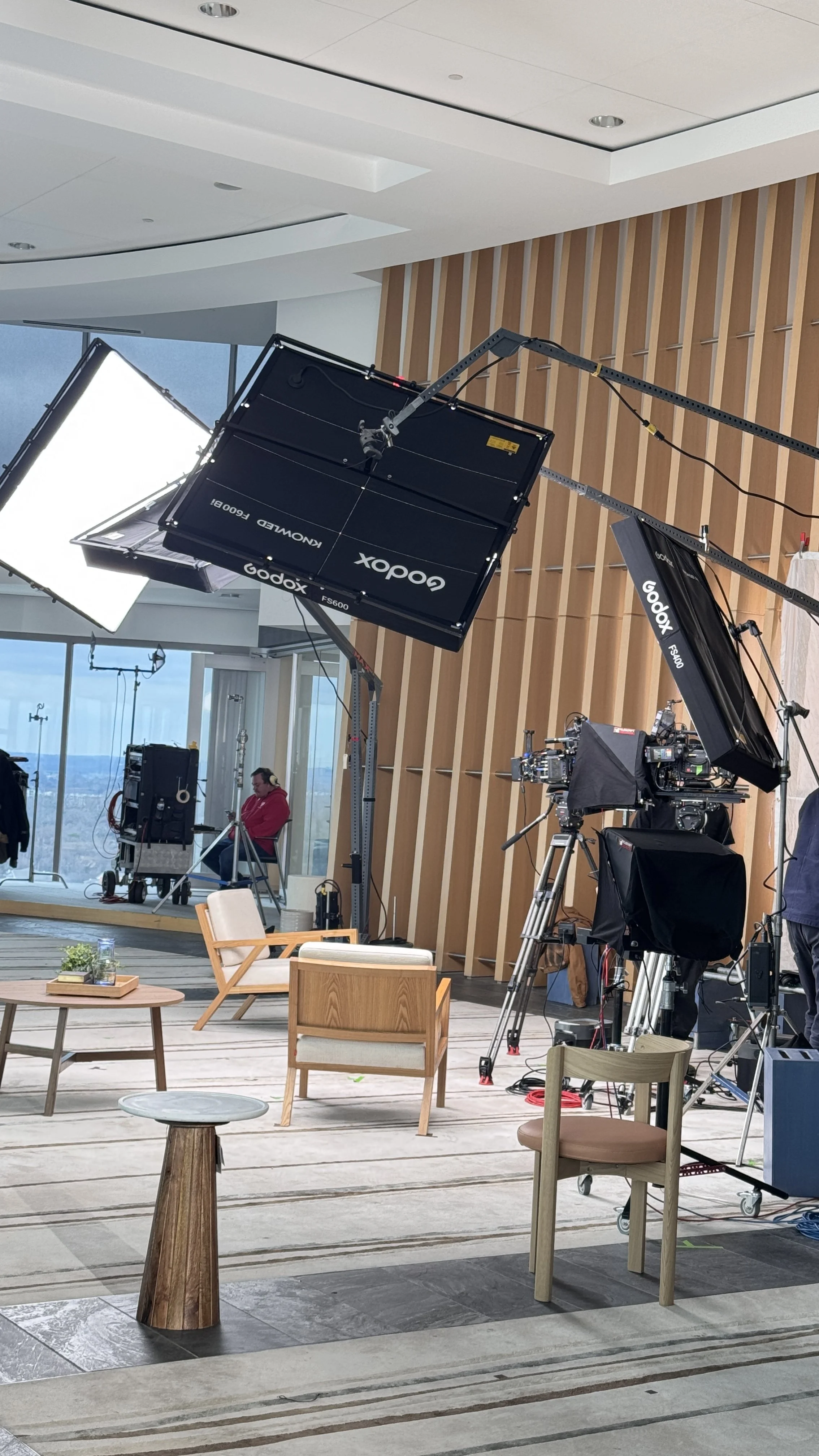
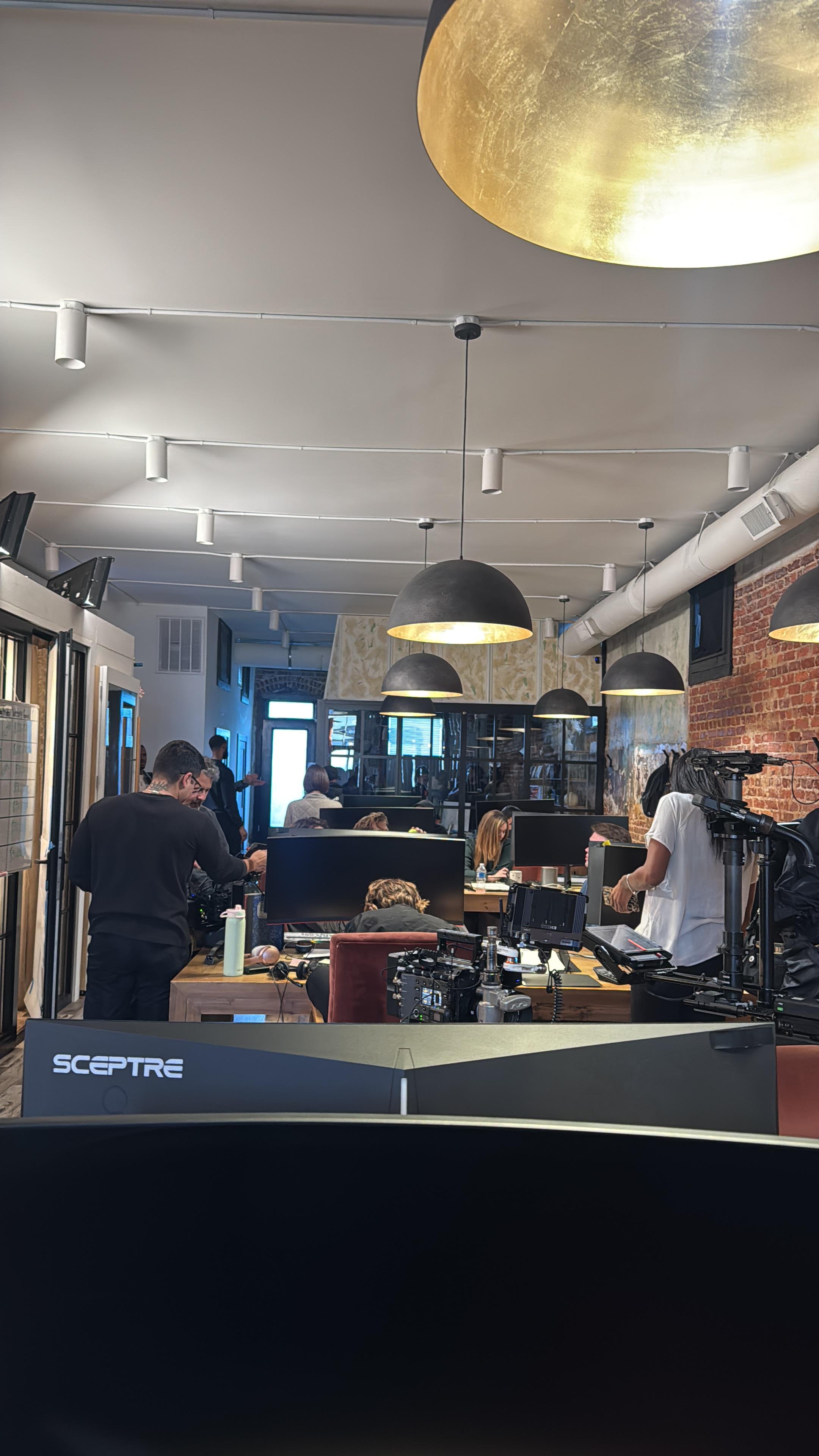
It was a three-day commercial production in Atlanta. When I arrived on the first day, the crew was preparing the location and testing equipment. There were trucks full of gear, huge coils of cables everywhere, lights, cameras, and people moving in every direction. But something interesting happened inside my mind. Instead of feeling completely lost, I recognized the environment.

The course had already shown me what a set looks like, how departments work together, and what a PA is expected to do. So even though it was my first professional job, I wasn’t walking into chaos—I was walking into something familiar. My first tasks were helping organize equipment, installing internet hotspots for the crew, and assisting with setup for the upcoming shoot days. The second day became more intense as the agency arrived and the real preparation began.

And of course, things started going wrong. That’s production.

Equipment problems, last-minute changes, things not working exactly as planned—it’s all part of the process. As a PA, you are constantly helping solve those problems. I spent the day helping fix issues and making sure everything would be ready for the final shooting day. By the third day, we were all exhausted. We had worked long hours preparing for the talent and the commercial shoot. But when everything finally came together, it felt incredible.

One moment I remember very clearly was the lunch situation on the first day. I was responsible for organizing food for the crew, so I took everyone’s orders through Uber Eats. I carefully wrote everything down and even took screenshots because I was afraid of losing the orders.

Then the unexpected happened: the restaurant canceled part of the order. Suddenly I had a group of hungry crew members and no food for them. In that moment, you have to stay calm and solve the problem. I shared some protein bars and snacks I had brought with me while we worked out another solution. Thankfully the crew was understanding, and everyone eventually got their meals. It was stressful—but it was also a great lesson. Production is about adaptability.

During those three days I worked closely with the first assistant director and spent time near the set while the talent and directors were working. I tried to anticipate what people needed before they asked. I stayed alert, stayed positive, and gave everything I had. And people noticed.

By the end of the project, I felt something very powerful: validation. I realized that I could do this job. When you work on a production, something special happens with the crew. Even if you only spend a few days together, you build strong connections. You solve problems as a team, push through exhaustion, and celebrate when everything finally works.

Three days earlier those people were strangers. Now they were part of my new network in the industry. Two weeks before that job, my world in film was very small. After that job, my world became bigger.

That’s one of the most magical things about working in production—you meet people, learn constantly, and grow with every project.

And for me, this was just the beginning.