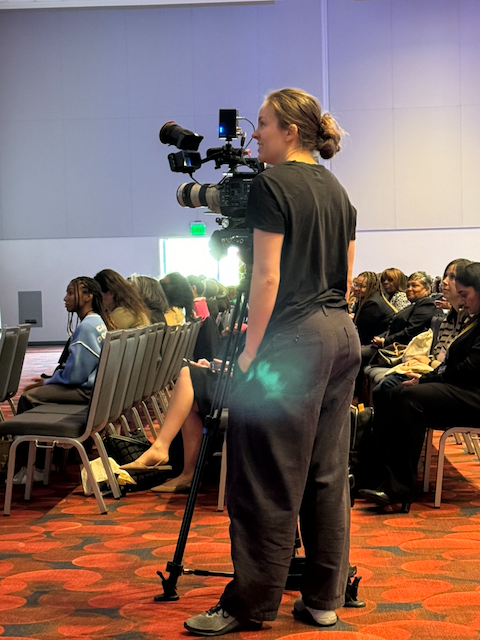
Why Every Live Event Career Starts as a PA
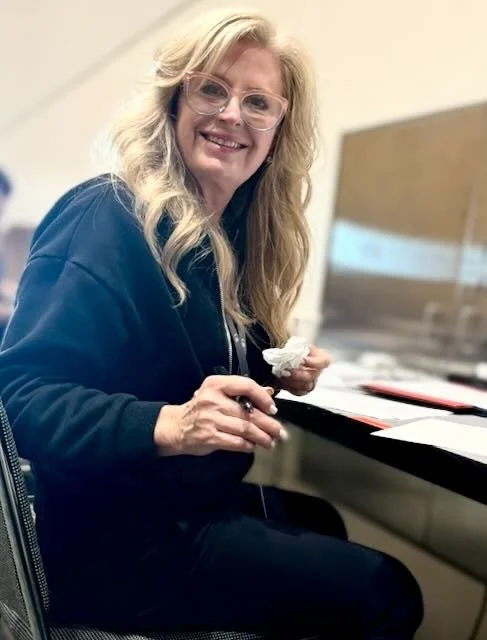
You might have a degree in Film and TV. You might have aspirations to be a Director. But in the world of live events, according to Barbara Brodowsky from Tempo Live…
everyone starts as a Production Assisitant
A Production Assistant (PA) role is the industry’s "proving ground." It is the universal entry point that opens every single door in the business.
What Does a PA Actually Do?
A PA is essentially a "gopher"—you go for this, you go for that. But it is strategic work. As a PA, you are touching every aspect of the business. You interact with:
The Technical Director
The Lighting Director
The Audio Team (A1s and A2s)
The Producers
Graphics Team
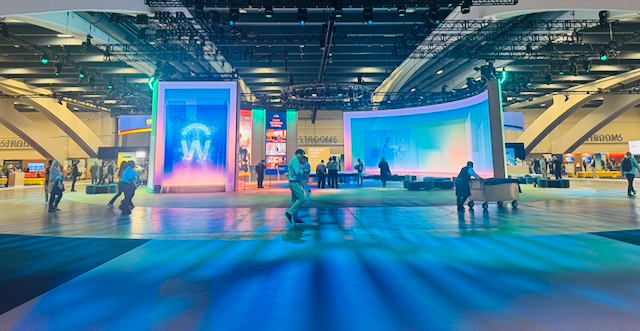
This exposure helps you decide exactly where you fit. Are you technical? Creative? Or are you better suited for logistics?
The Economics of Being a PA
Contrary to the "starving artist" trope, live event PAs can make a solid living.
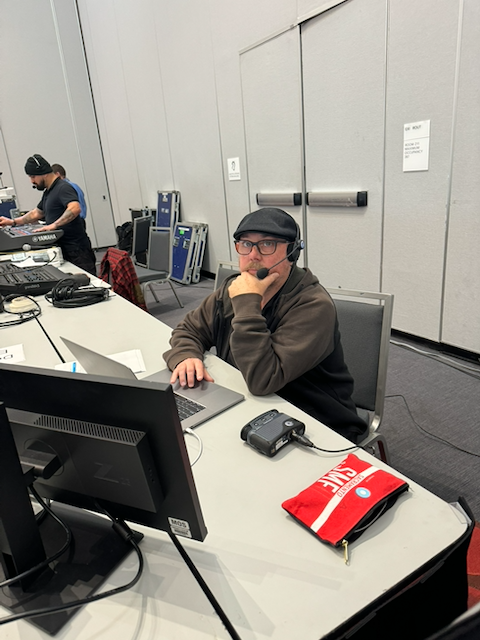
Day Rates: Barbara notes contracts ranging from $400 to $600 a day.
Hours: Base days are usually 10 hours. After that, it’s time-and-a-half. After 12 hours, it’s double time.
Perks: Travel is often covered, per diems are provided (around $85/day), and on good shows, the crew is fed well.
The Golden Rule: Proactivity
The difference between a PA who gets re-hired and one who doesn't is simple: Proactivity.
"You always walk into the room, look around, and see what needs to be done," says Burdowsky.
If you are sitting around waiting to be told what to do, you are failing. The hardest-working PA gets the next gig. It is physically demanding work, but it serves as a live interview for your future career.
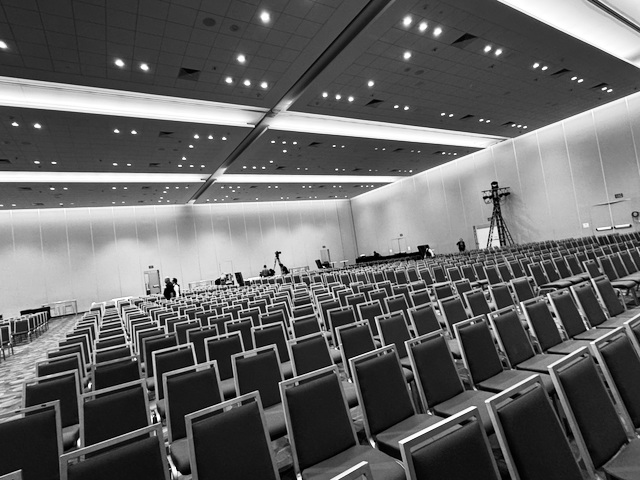
In an age of AI and remote work, Live Events remain distinctly human. AI cannot mic up a nervous keynote speaker. AI cannot manage the chaos backstage. AI cannot physically guide talent onto a stage.
This brings us to the most critical advice Barbara Burdowsky has for the next generation of event pros: Put down the phone.
The "Deck Manager" Personality
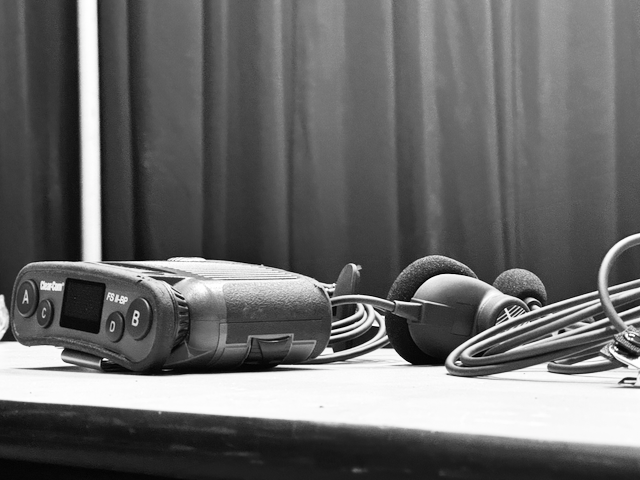
Barbara specializes as a "Deck Manager." Unlike a Stage Manager (who calls the show cues), the Deck Manager runs the backstage chaos—wrangling talent, checking mics, and calming nerves.
To succeed here, you need an engaging, disarming personality. You need to be able to look someone in the eye and have a conversation. Barbara worries that the "pandemic generation" has lost the art of small talk, but in this industry, small talk opens doors.
Top 3 Soft Skills for Success
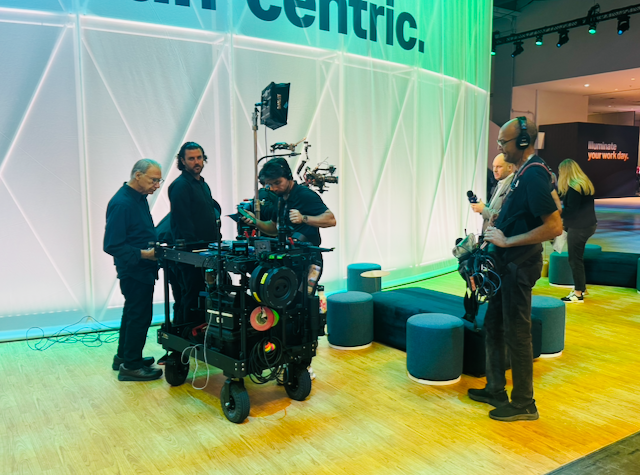
Humble Confidence: Be willing to do whatever it takes, but be confident enough to introduce yourself to the higher-ups.
"Belly to Belly" Communication: Networking doesn't just happen on LinkedIn. It happens in the downtime between sets. Having a face-to-face conversation with a producer is more valuable than any resume.
Digital Discipline: This is the biggest mistake new hires make. If you are on a job site, turn your phone off. If a client sees you scrolling TikTok, they assume you are lazy. You are there to work and get noticed.