The Art of the Assist. Part II

If Part 1 was about what makes a great Production Assistant, this one’s about where they shine — in the adrenaline-fueled, caffeine-powered world of live shows.

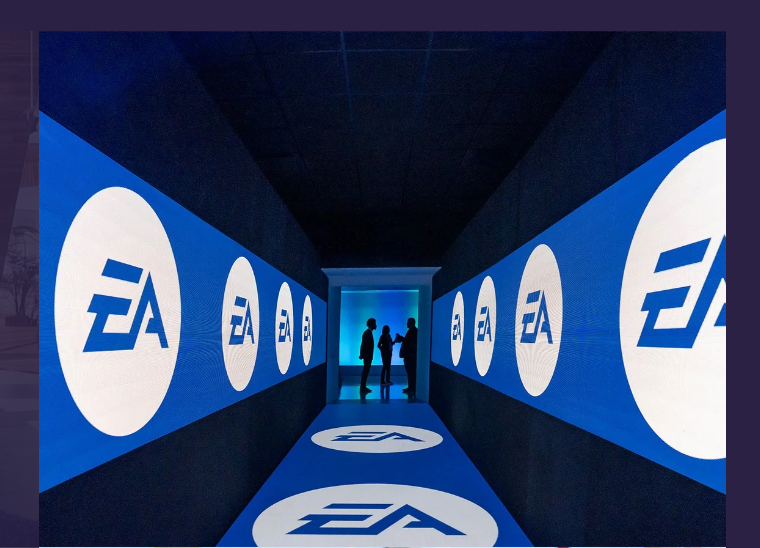
We’re talking massive LED walls, countdown clocks, headset chatter, and someone yelling “FIVE MINUTES TO SHOW!” like it’s the apocalypse.

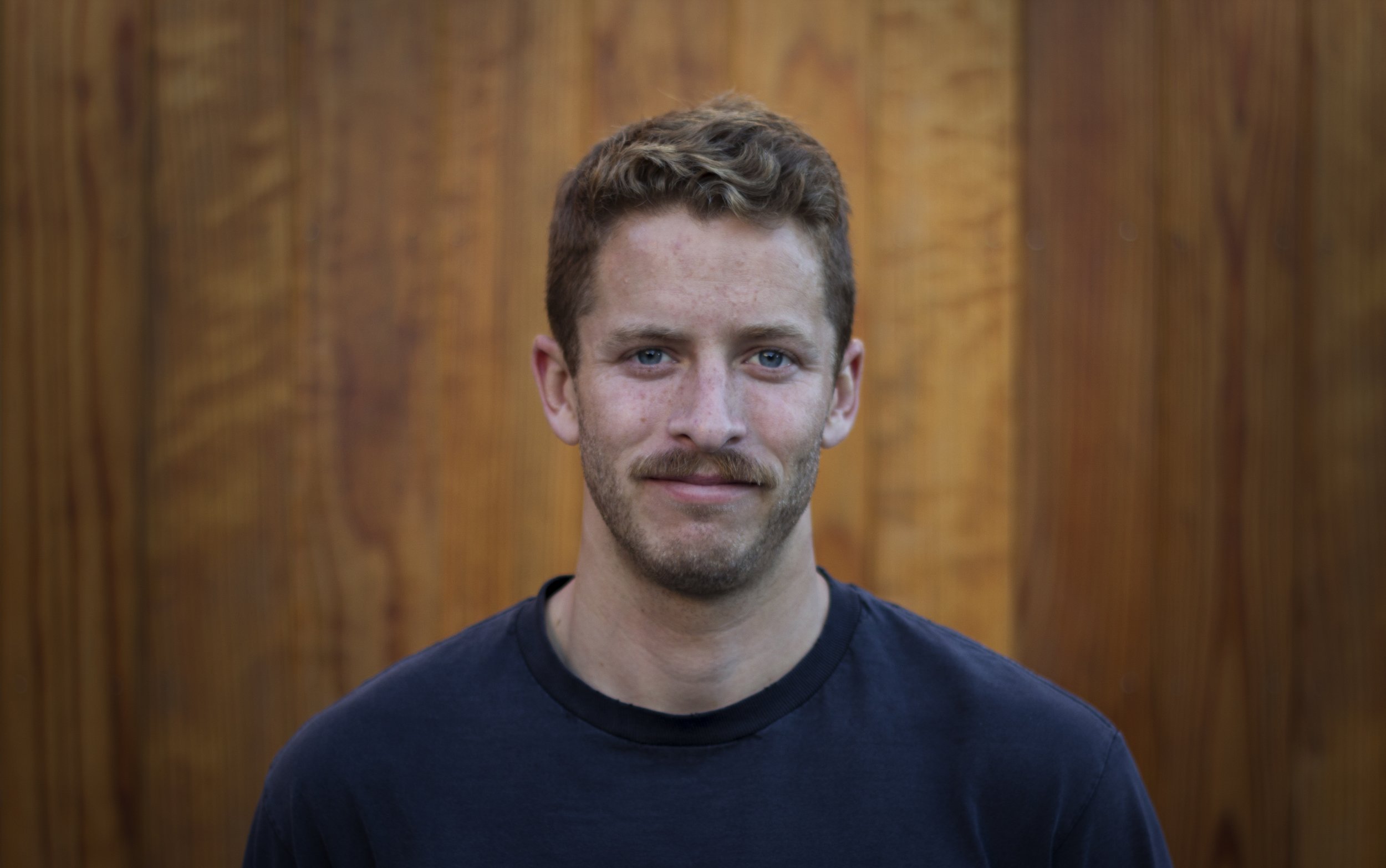
This is where Josh from Plumbago Productions comes in — a producer who lives and breathes the big moments most people never even know happened. He’s the guy who sees chaos as choreography. And for him, PAs aren’t background players — they’re the ones keeping the whole production from unraveling.

Welcome to Controlled Chaos

“Live events,” Josh told us, “are a different beast. There’s no ‘Take Two.’ You’ve got one shot, and it has to land.”

He’s not exaggerating. Picture this: a corporate keynote in San Francisco, 2,000 people in the audience, live stream to five continents, and the CEO’s mic dies thirty seconds before walking onstage. That’s not a hypothetical. That’s Tuesday.

The magic, Josh says, is how the team handles it. “The best PAs? They’re the ones who don’t freeze. They see something breaking, and they’re already halfway to fixing it.”

Reading the Room (and the Run of Show)

A great PA doesn’t just wait for instructions — they anticipate. Josh calls it “reading the floor.”

“If I see a PA standing still, I get nervous,” he said with a grin. “Because something’s always happening. Gear’s moving, cues are flying, clients are wandering. You’ve got to know what part of the machine you belong to at any given second.”


That situational awareness — the instinct to move, to help, to see what’s needed — that’s what separates the amateurs from the professionals.

And it’s not just about speed. “You’ve got to balance urgency with calm,” Josh said. “You can’t run through a client green room in a panic. You walk fast, but you don’t look stressed. That’s a skill.”

Teamwork Is the Secret Weapon

If Rachel talked about camaraderie, Josh talks about choreography.

“Every show is a dance,” he said. “Lighting, sound, graphics, camera — everyone’s got a role, and if one person drops the beat, everyone feels it.”

For new PAs, that means learning to listen — not just to instructions, but to the rhythm of the day. The more attuned you are to the flow of a production, the more you blend in and become part of it.

That’s when the crew starts trusting you. That’s when you stop being “the new kid” and start being “someone we want back next time.”

The Payoff

Josh lights up when he talks about that moment when everything clicks — when the music hits, the lights cue, the CEO nails the opener, and the audience erupts.

“That’s the hit,” he said. “It’s addictive. You put in 16-hour days, back-to-back setups, no sleep — and then it happens. That moment when it all works? You feel like you just landed the space shuttle.”

For a PA, that’s the payoff too. You might be rolling cases or running comms, but you’re part of that. You helped make the show happen.

And when you’re part of something that big, you don’t forget it.

Why It Matters

At Kincade Productions, we love hearing from professionals like Josh who live in that beautiful tension between chaos and control. Because that’s what production really is — solving problems creatively, staying calm under pressure, and finding joy in the madness.

If you’re just starting out, this is where you learn that being a great PA isn’t just about doing tasks. It’s about becoming the kind of person people can count on when the lights go down and the show goes live.

Because when the headset crackles and someone says, “We’re live in five,” you don’t just hear a cue. You hear opportunity knocking.

Next up: Part 3 — “The Assist That Builds Careers,” where Rachel and Josh join forces to talk growth, grit, and why helping others is still the best way to make it in this business.